
Burger King Japan breach exposes 11 million customers

Burger King Japan disclosed a data breach on October 15, 2026, exposing approximately 11.18 million customer membership records after attackers accessed its official app’s membership management system between October 2 and October 7. The company discovered the leak on October 13 and confirmed that unauthorized access had compromised personal information, including membership IDs, names in Japanese characters, email addresses, phone numbers, birth dates, gender, prefectures of residence, and mobile-order history indicators. BK Japan stated, “customer membership information from the official app has been leaked externally following unauthorized access by a third party.” The company has not identified the attackers or explained how they gained access, and investigations with external security specialists are ongoing.

Although BK Japan reported that credit card numbers were not stored in the affected system and found no evidence that passwords were exposed, the stolen information could still enable targeted phishing, impersonation, and other scams. The company blocked the unauthorized access, implemented temporary security measures, established an incident response team, and reported the breach to Japan’s Personal Information Protection Commission. It is also conducting a broader investigation, implementing permanent security improvements, and notifying affected customers by email. No confirmed cases of fraud or other secondary harm had been reported at the time of disclosure, but the risk of future misuse remains significant because the exposed information could make fraudulent communications appear legitimate.

The breach highlights the growing cybersecurity risks facing consumer loyalty programs and mobile applications that store extensive personal information. With approximately 11.18 million records affected, the incident represents a major data exposure for a Japanese consumer brand, although the company has not clarified how many unique individuals those records represent. BK Japan has urged customers to remain vigilant and avoid suspicious links, attachments, and requests for personal information or passwords. The incident also underscores the importance of stronger access controls, effective monitoring, and protecting customer databases against unauthorized access.

Read more about it here.
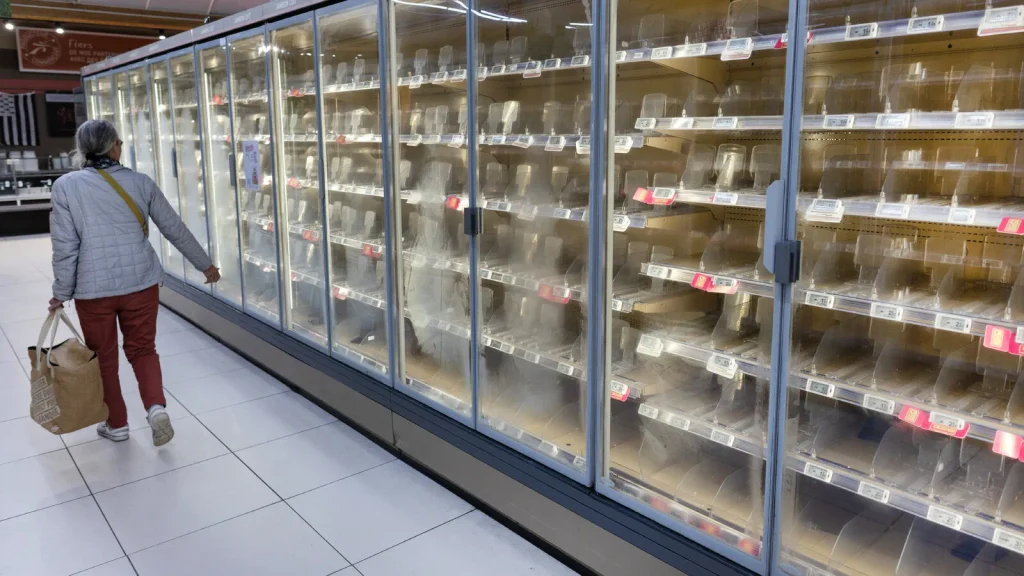
Cyberattack overheats refrigerators at hundreds of French supermarkets

A cyberattack targeting refrigeration systems at hundreds of French supermarkets reportedly caused refrigerators and freezers to overheat, resulting in spoiled food, significant financial losses, and some reports of smoke and fires. Affected chains include Intermarché, Netto, Coopérative U, Carrefour Market, Monoprix, Leclerc, and Super U, with reports estimating that between 250 and 350 stores were impacted. The attackers allegedly compromised older Danfoss refrigeration controllers on Sunday night, October 9, 2026, and triggered their automatic defrosting systems, raising temperatures in fresh and frozen food displays to as high as 50°C (122°F). Intermarché and Netto removed potentially affected products to protect consumers, while supermarket staff worked with refrigeration specialists to restore operations. Les Mousquetaires, the parent organization of Intermarché and Netto, estimated that losses affecting around 180 stores could reach several million euros.
The Paris prosecutor’s office has opened an investigation to identify the victims, determine how the attack occurred, and assess the reported food losses and equipment-related incidents. Cybersecurity researchers have highlighted two vulnerabilities in Danfoss AK-SM 8xxA refrigeration management systems, disclosed in 2025, that could potentially enable authentication bypass and command injection, although investigators have not confirmed whether either flaw was exploited. Research also identified thousands of Danfoss systems exposed to the internet, including more than 1,500 in France, raising concerns about the security of industrial control equipment. Coopérative U president Dominique Schelcher condemned the incident, calling it “extremely serious and unprecedented,” and stressed the importance of protecting food supplies. A cybersecurity analyst also reported that the attack may have affected other European countries, while retail giant Ahold Delhaize separately disclosed a cybersecurity incident that forced it to take some systems offline, although no connection between the incidents has been established.
Read more about it here.

Denmark’s national population register data breach exposes 8.8 million people

Denmark is investigating a major data breach at its Central Population Register (CPR) that exposed the personal information of approximately 8.8 million people, including current residents, citizens living abroad, and deceased individuals. The register contains around 11 million records, meaning roughly 80% of its data was affected. The compromised information includes names, addresses, and 10-digit CPR identification numbers, which are essential for accessing healthcare, banking, taxation, and government services. Attackers reportedly exploited a private Danish company’s legitimate access to the system and used automated searches to identify valid CPR numbers and extract associated information. The CPR administration discovered irregular activity on October 2, 2026, and notified the Danish Data Protection Agency on October 4, while the government publicly disclosed the breach on October 5.
Denmark’s authorities have blocked the company’s access, launched a police investigation, and begun examining how the breach occurred and who was responsible. Officials confirmed that people with protected names and addresses were not affected by the unauthorized access identified so far. Research, Education and Digitalisation Minister Christina Egelund called the incident “a deeply serious incident” and ordered a comprehensive security review alongside measures to prevent similar attacks. Authorities have also warned citizens about potential fraud and phishing attempts, urging them never to disclose passwords or confidential information, even if a caller or email sender knows their personal details. A dedicated cyber-security hotline and the website sikkerdigital.dk are available to provide guidance to potentially affected individuals.
The breach is the most significant incident involving Denmark’s CPR system since 2015, when two unencrypted CDs containing information on more than five million people were mistakenly delivered to the Chinese Visa Application Centre in Copenhagen. At the time, authorities reported no evidence that the data had been copied or leaked. The latest incident highlights the risks of granting private companies access to centralized databases containing sensitive personal information and raises concerns about the long-term consequences of exposing identification numbers that remain valid throughout a person’s lifetime.
Read more about it here.